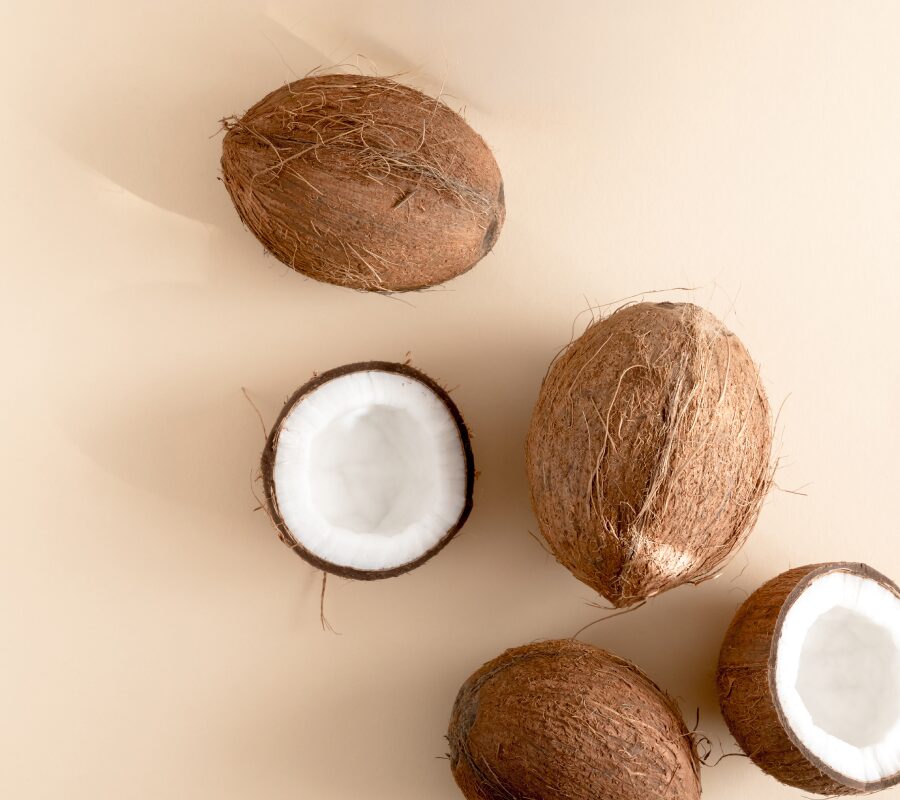
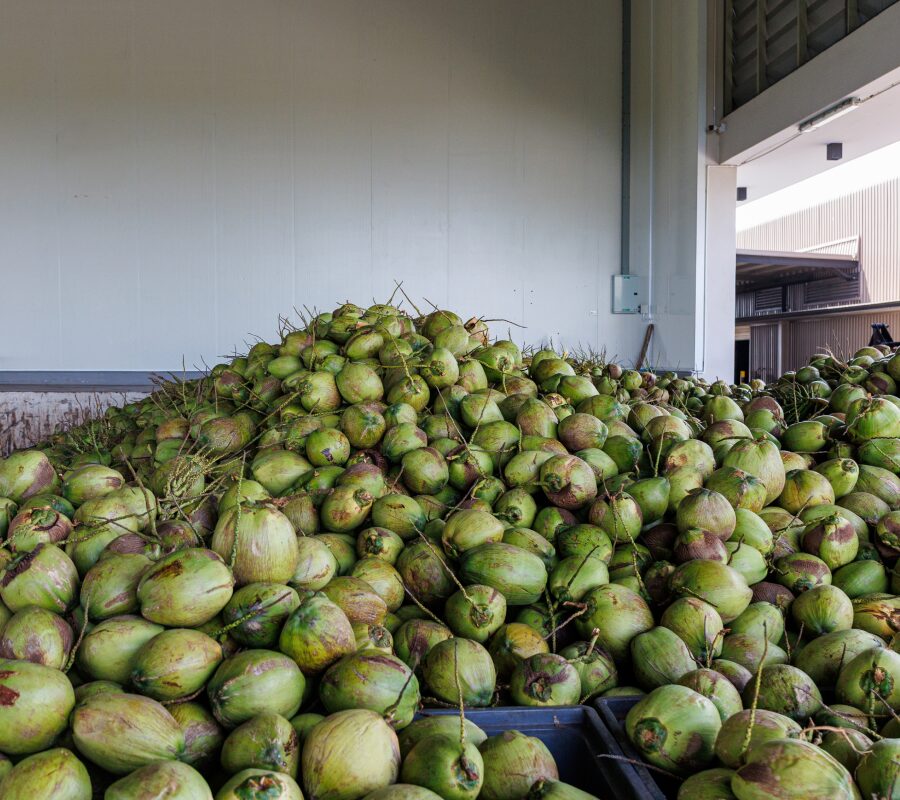
Coconut Cloud Cake: A Fresh Take on a Coconut Classic
Some desserts never really disappear. They simply find a new generation of fans.
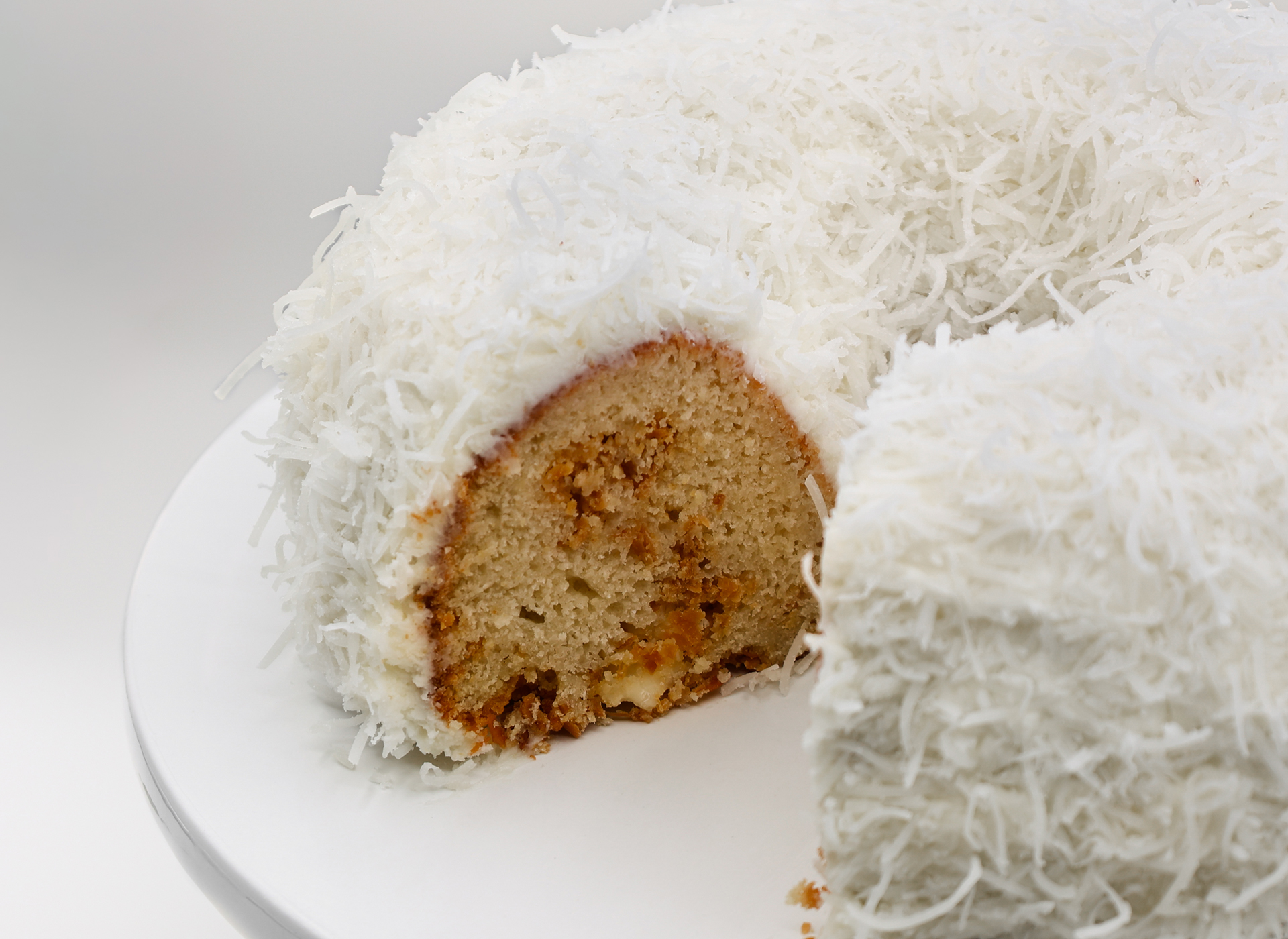
Coconut cake is one of them. With its soft crumb, creamy frosting and unmistakable coating of shredded coconut, the dessert has been a familiar sight on American tables for generations. Today, it is having another moment, appearing across bakery cases, restaurant menus and social feeds in versions that emphasize everything people have always loved about it: dramatic layers, cloud-like texture and plenty of coconut.
Coconut cake is one of them. With its soft crumb, creamy frosting and unmistakable coating of shredded coconut, the dessert has been a familiar sight on American tables for generations. Today, it is having another moment, appearing across bakery cases, restaurant menus and social feeds in versions that emphasize everything people have always loved about it: dramatic layers, cloud-like texture and plenty of coconut.
A Cake with History
Coconut cake has deep roots in American baking, particularly in the South, where elaborate layer cakes have long been associated with holidays, celebrations and special occasions.
As coconuts and packaged coconut products became increasingly accessible in the United States, bakers found new ways to incorporate the fruit into familiar cakes and desserts. Shredded coconut became especially recognizable as both an ingredient and a finishing touch, giving coconut cake the snowy white appearance that remains part of its appeal today.
Over time, countless versions emerged. Some recipes use towering layers and cooked frostings, while others incorporate coconut milk, cream cheese icing or toasted coconut. The format may change, but the defining idea remains remarkably consistent: a soft cake complemented by creamy richness and plenty of coconut flavor and texture.
Why Coconut Cake Is Having Another Moment
Today’s renewed interest in coconut cake fits into a broader return to nostalgic desserts. Familiar recipes are being rediscovered and reimagined, often with an emphasis on indulgent textures and visually striking presentation.
Coconut cake checks both boxes.
Its generous coconut coating creates an instantly recognizable look, while its soft interior and creamy frosting deliver the kind of texture that translates particularly well to food-focused social content. Modern “cloud” cakes take that appeal even further, emphasizing an especially soft, airy appearance that feels at once nostalgic and new.
But a beautiful coconut cake still has to deliver once you take the first bite. That is where the ingredients matter.
Choosing the Right Coconut for the Job
One of the things that makes coconut so versatile is the number of forms it can take. Coconut milk and shredded or toasted coconut may come from the same fruit, but they play very different roles in a recipe.
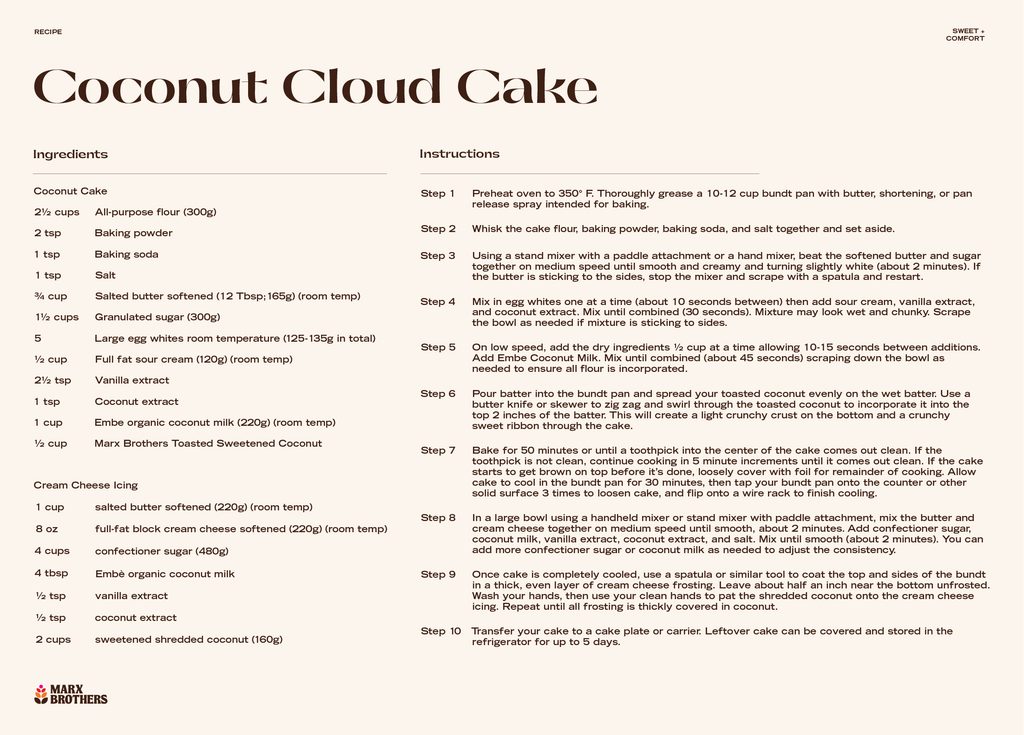
In our Coconut Cloud Cake, Embe Organic Coconut Milk is incorporated directly into the batter. Coconut milk contributes moisture and richness while helping carry coconut flavor throughout the cake. It appears again in the cream cheese icing, creating another layer of coconut flavor without relying solely on extract.
Then comes the coconut you can see and feel.
Marx Brothers Toasted Sweetened Coconut is swirled into the batter before baking, creating a lightly crunchy ribbon within the soft cake. Sweetened shredded coconut is used on the exterior, where its delicate texture creates the signature cloud-like finish.
Using coconut in multiple forms creates something a single ingredient cannot accomplish on its own. Coconut milk works within the cake to provide moisture and richness, while shredded and toasted coconut contribute texture, sweetness and visual appeal.
Texture Makes the Difference
The best coconut cakes are about contrast.
A tender crumb becomes more interesting alongside a ribbon of toasted coconut. Smooth cream cheese icing is balanced by the delicate chew of shredded coconut. Richness is offset by a cake that remains soft and airy.
Our recipe deliberately builds those contrasts into every layer. Toasted coconut is swirled through the upper portion of the batter before baking, creating what becomes a lightly crunchy crust and sweet ribbon through the finished cake. Once cooled, the Bundt cake is covered in coconut cream cheese icing and finished generously with shredded coconut.
The result is a cake that delivers coconut not just as a flavor, but as part of the overall eating experience.
A Classic Worth Rediscovering
Trends have a way of bringing familiar foods back into focus, but the staying power of coconut cake goes well beyond its latest viral moment.
It is a dessert built around contrasts people continue to love: light and rich, creamy and textured, familiar and a little indulgent. And because coconut can contribute flavor, moisture, texture and appearance in different forms, there is plenty of room for bakers and product developers to make the classic their own.
Our Coconut Cloud Cake brings those qualities together in one recipe, pairing coconut milk with toasted and shredded coconut for a dessert that celebrates just how versatile a single fruit can be.