The Impact of Upstreaming: A Smarter Approach to Coconut Sourcing
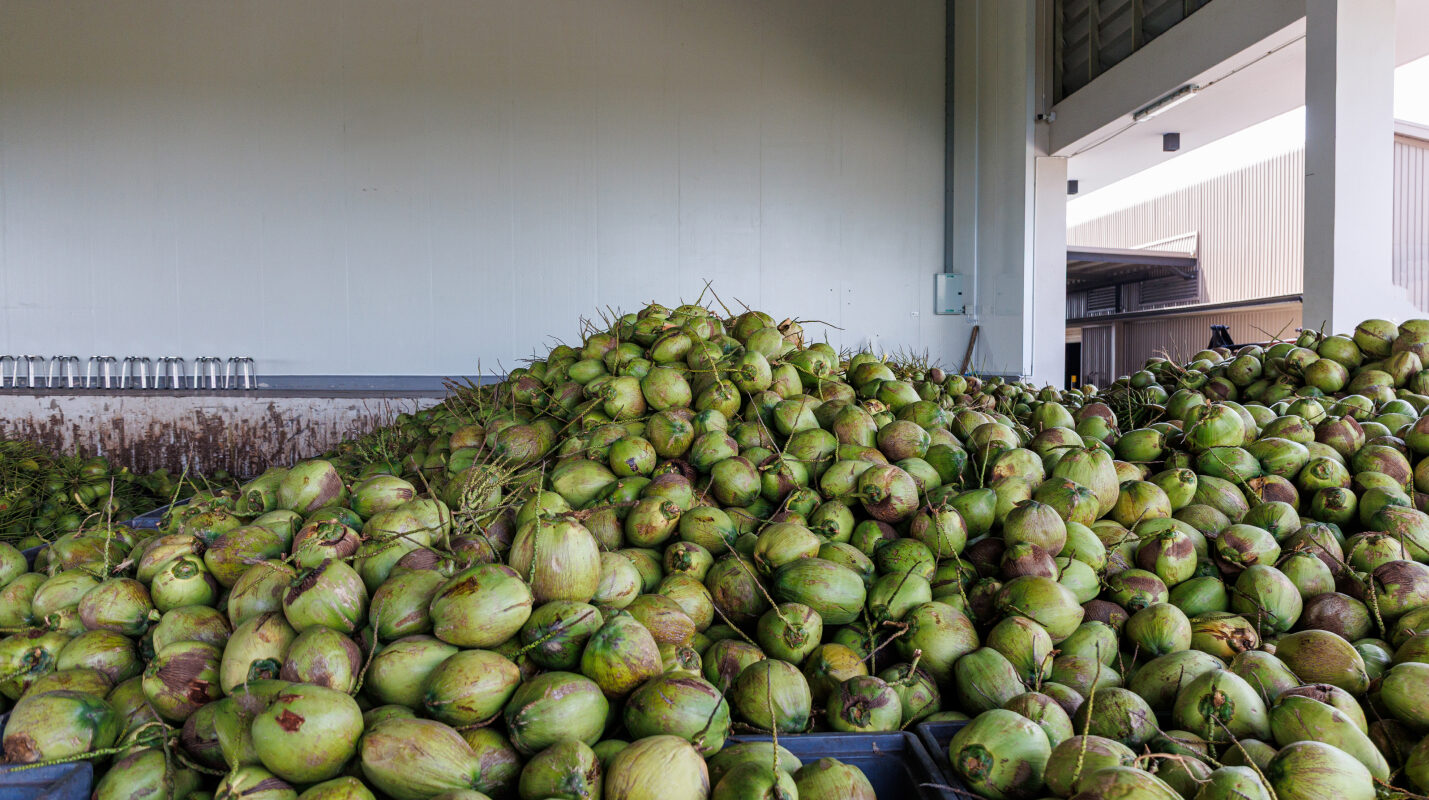
A single coconut can become many ingredients.
Milk, cream, oil, flour, and other coconut products may serve different applications, but they are all connected at the source. Some coconut ingredients even serve as a byproduct of one another.
Yet across the supply chain, these ingredients are often treated as entirely separate categories. Different products may be sourced through different suppliers, managed through different purchasing processes and moved through different logistics networks. For businesses sourcing multiple coconut ingredients, that fragmentation can create added complexity, additional coordination, and greater exposure to supply disruptions.
Upstreaming offers a different, more strategic way to think about coconut sourcing and can often result in improved cost structures, greater inventory and logistics efficiencies, and simplified organizational structures.
Understanding the Coconut Supply Chain
To understand the value of upstreaming, it helps to first understand how interconnected coconut ingredients really are.
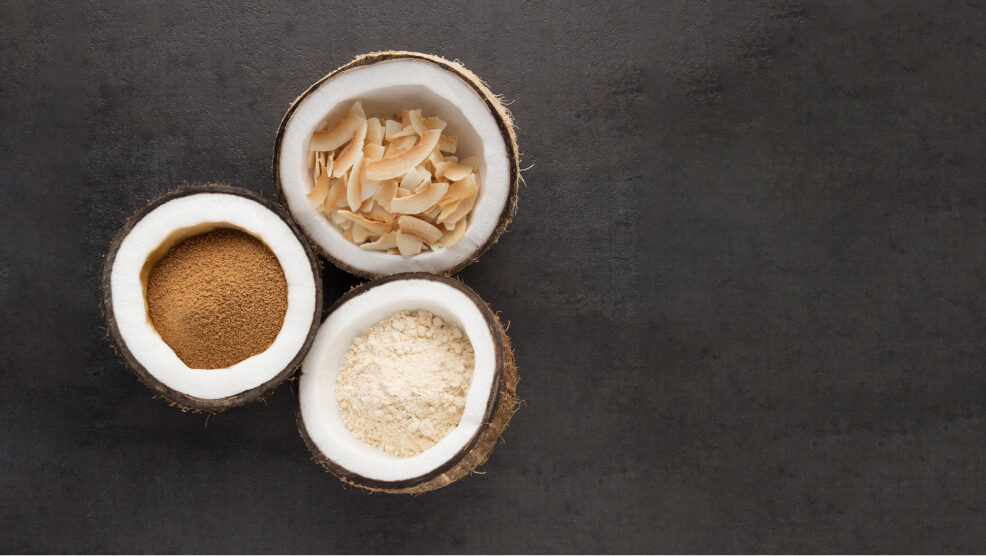
A coconut does not produce just one usable ingredient. Different parts of the fruit and different stages of processing can result in a range of products. Coconut meat, for example, can become ingredients such as milk, cream, oil, flour, and desiccated coconut.
That means many ingredients that are ultimately purchased as separate categories actually begin within the same broader supply system.
When businesses source those ingredients independently, they may also be managing multiple supplier relationships, purchasing processes, logistics considerations and inventory needs. Each category may make sense on its own, but looking at them collectively can reveal opportunities to simplify the way the entire coconut portfolio is managed.
What Is Upstreaming?
Upstreaming means looking beyond individual products and moving closer to the source to understand and manage the broader ingredient portfolio.
For coconut, that means considering how multiple ingredients are connected through sourcing, production, and supply rather than treating every product as an isolated category.
At Marx Brothers, this approach allows us to source across the coconut portfolio and serve as one strategic partner for customers with multiple coconut ingredient needs.
Instead of focusing solely on individual products, we look at how those products work together across the larger supply chain.
It is a shift from managing ingredients individually to thinking about coconut sourcing more holistically.
Simplifying Sourcing and Operations
One of the clearest benefits of portfolio consolidation is simplicity.
Working across multiple suppliers can require separate conversations, purchasing processes, forecasts, and replenishment decisions. Consolidating more of the coconut portfolio with a single strategic sourcing partner can reduce that fragmentation and create a more coordinated approach.
For purchasing and supply chain teams, fewer moving pieces can mean easier planning, less internal coordination, and a clearer view of ingredient needs across the business.
It can also create opportunities for greater cost efficiency. By looking across categories rather than approaching each ingredient independently, businesses can identify efficiencies in sourcing, purchasing and logistics that may be difficult to realize when the portfolio is fragmented.

Creating a More Connected Logistics Strategy
The benefits of upstreaming extend beyond purchasing.
When coconut ingredients are sourced separately, they may also move through the supply chain separately. A more consolidated approach creates opportunities to coordinate products and shipments across categories, helping businesses make more efficient use of transportation and distribution.
Rather than optimizing logistics one ingredient at a time, upstreaming makes it possible to consider the movement of the broader coconut portfolio.
For businesses managing significant ingredient needs, that connected view can help simplify logistics and improve the overall efficiency of getting products where they need to go.
Strengthening Supply Continuity
Efficiency matters, but so does resilience.
Ingredient supply chains can be affected by changes in availability, production capacity, transportation and conditions at origin. When sourcing is fragmented, understanding and managing those variables across multiple suppliers can become increasingly complex. Similarly, relying on a single vertically integrated supply chain can increase exposure when disruptions occur within that network. A diversified sourcing approach can provide greater flexibility and help strengthen supply continuity.
An upstream partner with visibility across products, suppliers, and countries of origin can take a broader view of the coconut supply chain. Diversification and coordinated sourcing can help reduce reliance on any single source and provide more options when conditions change.
The goal is not simply to source an ingredient. It is to build a supply strategy designed to support continuity over time.
Seeing the Whole Coconut
Upstreaming ultimately comes down to perspective.
Coconut milk, cream, flour, oil, and other ingredients may appear as separate line items on a purchasing list, but their supply chains are inherently connected. Understanding those connections creates an opportunity to manage coconut sourcing differently.
At Marx Brothers, decades of category experience and relationships throughout the global coconut supply chain allow us to see beyond individual ingredients and consider the portfolio as a whole.
By working with one strategic sourcing partner across multiple coconut categories, businesses can simplify purchasing, streamline logistics, identify opportunities for greater cost efficiency and strengthen supply continuity.
Because when the ingredients are connected at the source, the strategy behind sourcing them should be connected, too.