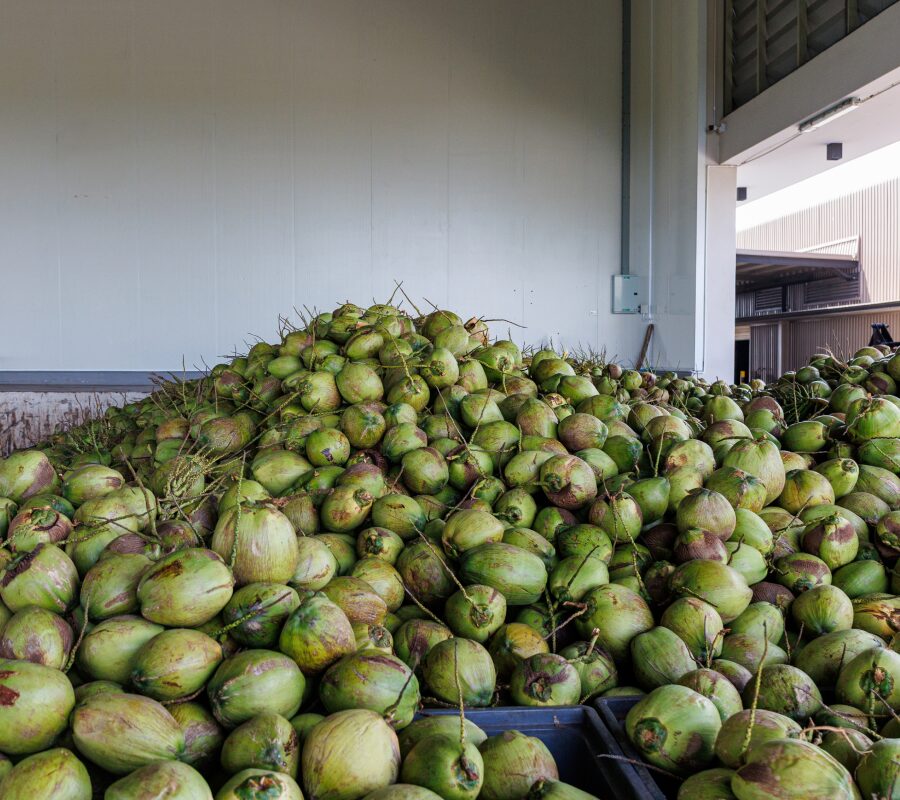
Coconut 101: An Inside Look at the Coconut Category
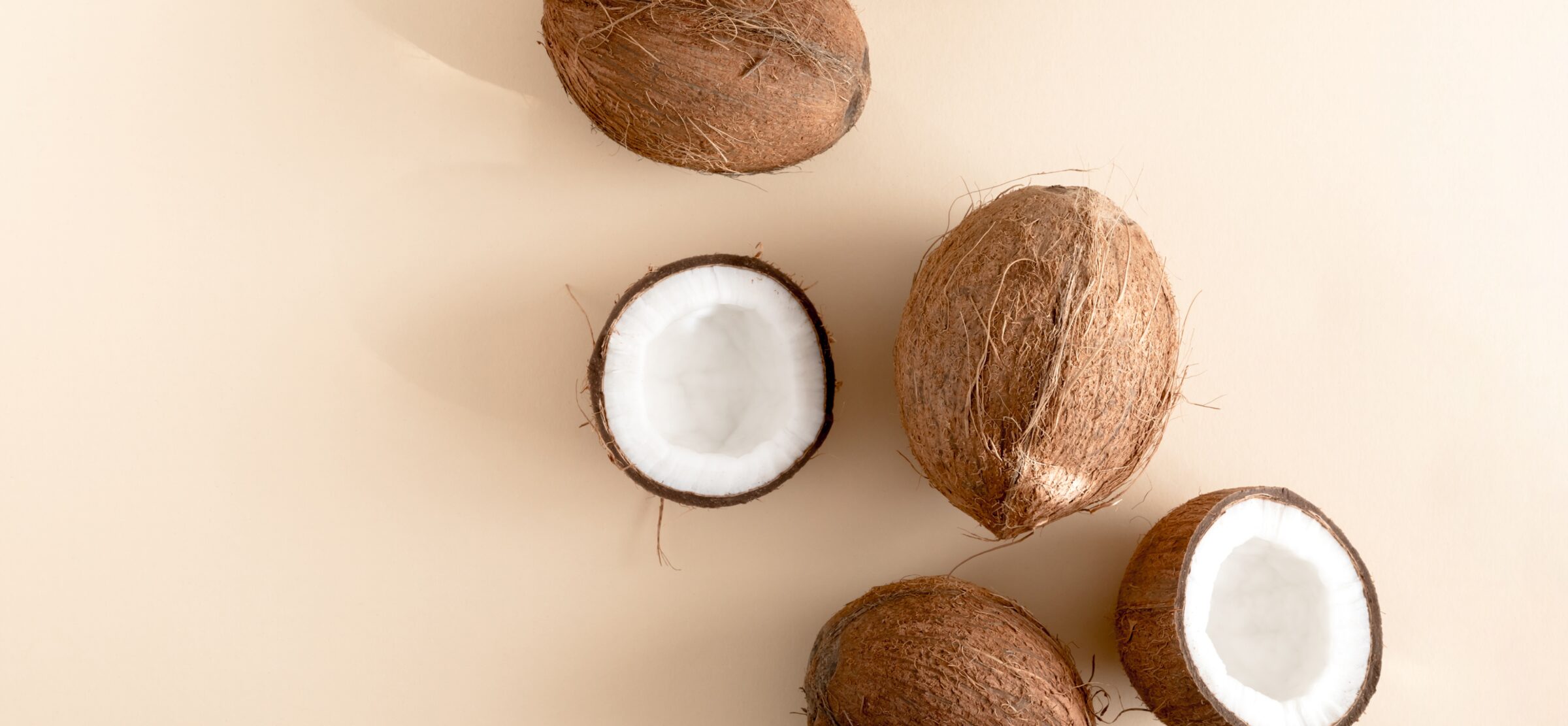
Thanks to its incredible versatility, coconut is one of the most widely-used ingredients across all food sectors.
From bakery products and beverages to dairy alternatives, confectionery, and prepared foods, it plays a role in countless applications around the world. Yet despite its widespread use, coconut is often thought of as a single ingredient rather than a broad ingredient category. In reality, coconut is much more than milk, oil, or flakes. A single fruit can produce a diverse range of ingredients, each with its own functionality, production method, and end use. Understanding how those ingredients are made, where they come from, and how they work together provides a deeper appreciation for both the ingredient itself and the supply chain behind it.
One Fruit. Countless Possibilities.
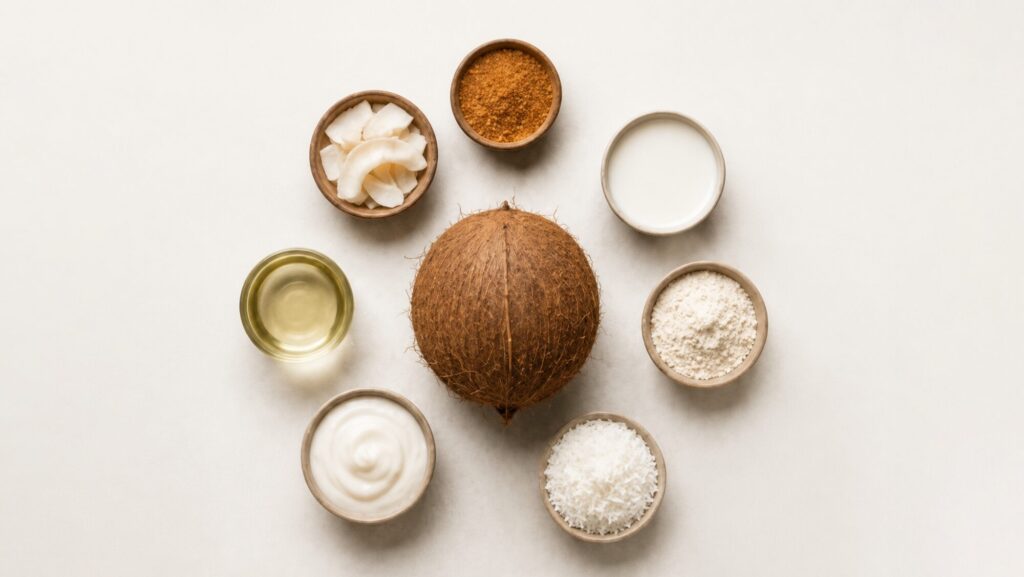
Few agricultural crops offer the range of applications found in coconut. The fruit provides the foundation for ingredients used throughout the food industry, from coconut milk and cream to virgin coconut oil, desiccated coconut, flour, flakes, chips and coconut sugar. Each serves a different purpose, but they all begin with the same origin. That ability to create multiple ingredients from a single crop has made coconut an essential part of modern food manufacturing. It supports products across bakery, snack, beverage, frozen dessert, confectionery and foodservice categories, while continuing to create new opportunities for product innovation. Plus, coconut ingredients continue to gain momentum as consumers seek out cleaner, allergen-free products. Its role continues to evolve as product developers explore new uses, while long-established applications remain just as relevant today.
Where Coconut Grows
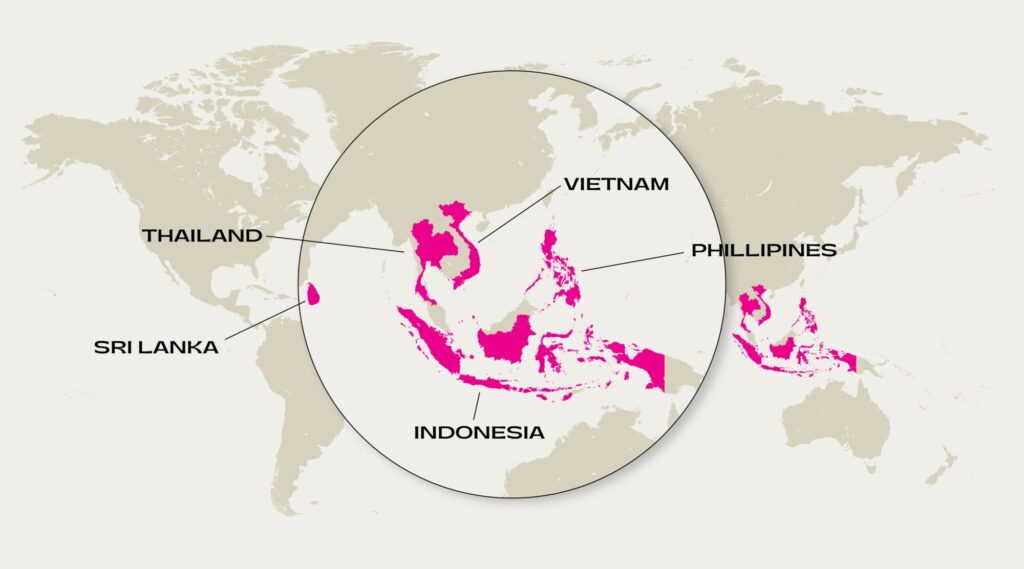
Coconut palms thrive in tropical climates, where consistent warmth, rainfall, and coastal conditions create an ideal growing environment.
Interestingly enough, not every producing region specializes in the same products. Over generations, different countries have developed expertise in particular areas of production.
Indonesia and the Philippines remain among the world’s largest producers and exporters of coconut products. Sri Lanka has become known for value-added products, such as specialty coconut chips and coconut milk, while Vietnam and Thailand have developed strong capabilities in coconut milk production. These regional strengths help shape how coconut ingredients move through the global supply chain and ultimately reach food manufacturers around the world.
Recognizing those regional strengths is an important part of understanding the category and building a resilient, agile supply chain. At Marx Brothers, we work closely with suppliers across the world’s leading coconut-producing regions, giving us firsthand insight into how ingredients are grown, processed and produced. That knowledge helps us understand not only where ingredients come from, but where they perform best.
It’s an approach rooted in more than 100 years of experience, not simply procurement.
From Harvest to Ingredient
Every coconut follows the same journey at harvest. What happens next determines the ingredient it becomes.
-
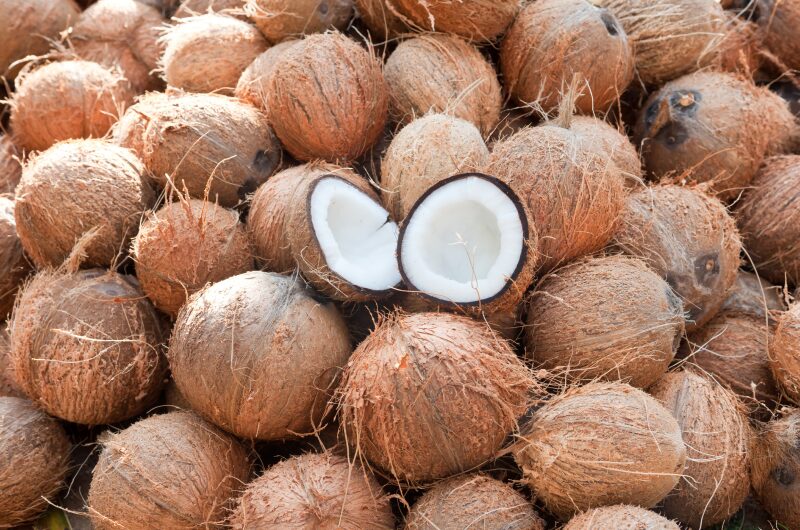
Harvest
After harvest, the fibrous outer husk is removed before the hard shell is cracked open to reveal the fresh coconut meat. From there, different processing methods produce entirely different ingredients.
-
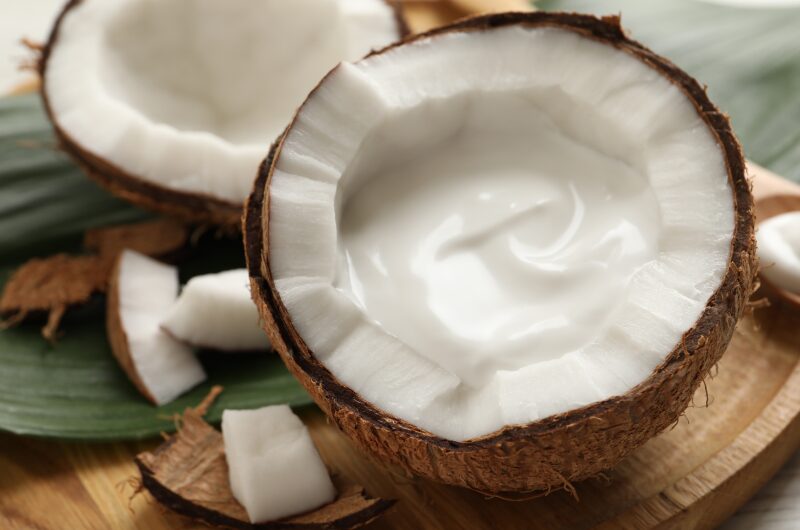
Pressing
Fresh coconut meat can be pressed with water to produce coconut milk and cream, ingredients valued for their rich texture and versatility across both sweet and savory applications.
-
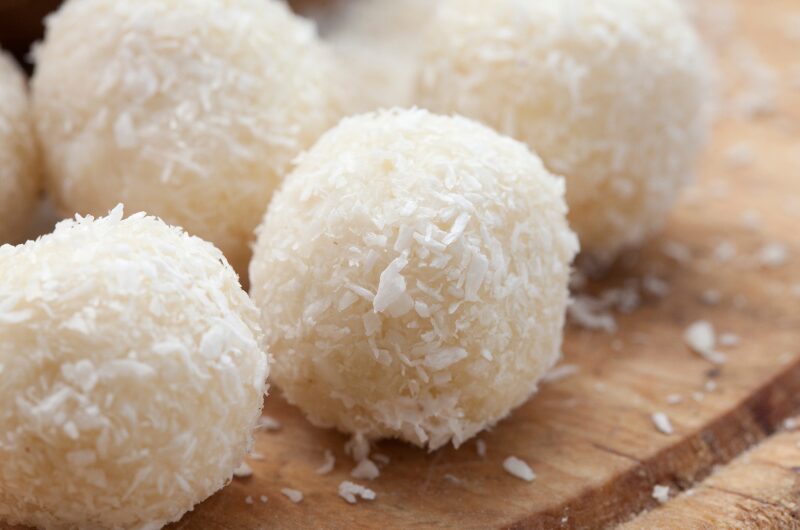
Finishing
The same meat can also be cold-pressed into virgin coconut oil or carefully dried to create desiccated coconut, flakes and chips used in bakery, confectionery and snack products.
-
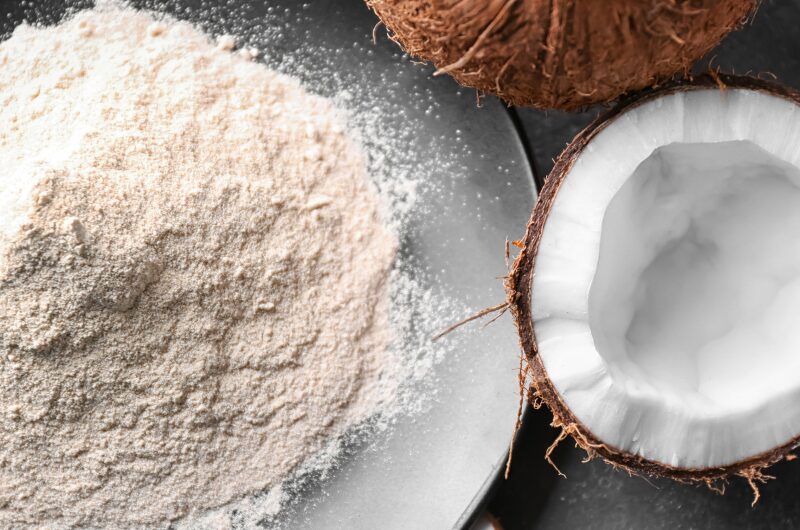
Milling
Once the oil has been extracted, the remaining coconut solids can be milled into coconut flour, giving the same fruit an entirely different purpose.
-
Coconut Sugar
Coconut sugar follows a different process altogether. Rather than coming from the fruit itself, it is produced by collecting the sap from the coconut blossom and gently heating it until it naturally crystallizes into a caramel-colored sweetener.

Nearly every part of the coconut has a purpose. That efficiency has helped make coconut one of the world’s most valuable agricultural crops for generations.
The Core Coconut Ingredients
Although they all begin with the same crop, each coconut ingredient brings something different to food manufacturing. Viewed individually, each ingredient serves a specific purpose. Together, they represent one of the broadest ingredient portfolios found within a single agricultural crop.
-

Coconut Milk
Produced by pressing fresh coconut meat with water, coconut milk delivers the rich texture and creamy consistency used in beverages, soups, sauces, desserts and plant-based products. It is commonly used as a dairy alternative.
-

Virgin & Refined Coconut Oil
Coconut oil is produced from fresh coconut meat and valued for its clean flavor, higher smoke points, and broad functionality. Production methods, filtration and handling all contribute to the quality and consistency of the finished product.
-
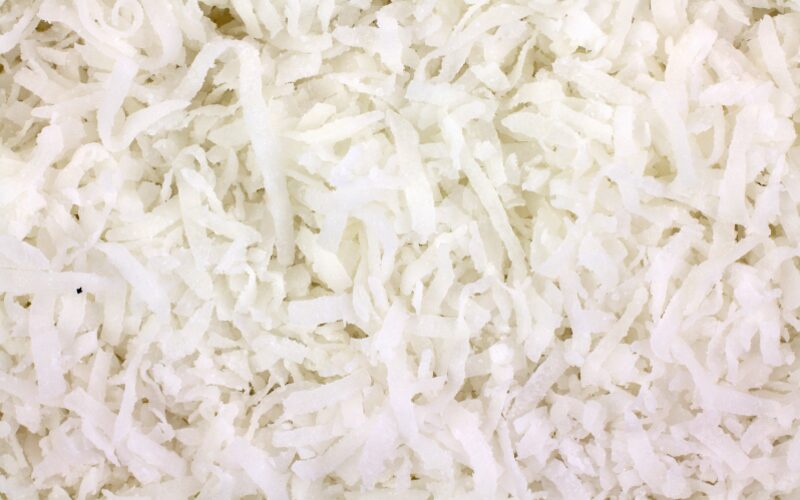
Desiccated Coconut and Flakes
Available in a variety of cuts and sizes, these ingredients provide texture, flavor, and visual appeal across bakery, confectionery, and snack applications. Moisture levels and consistency play an important role in product performance.
-
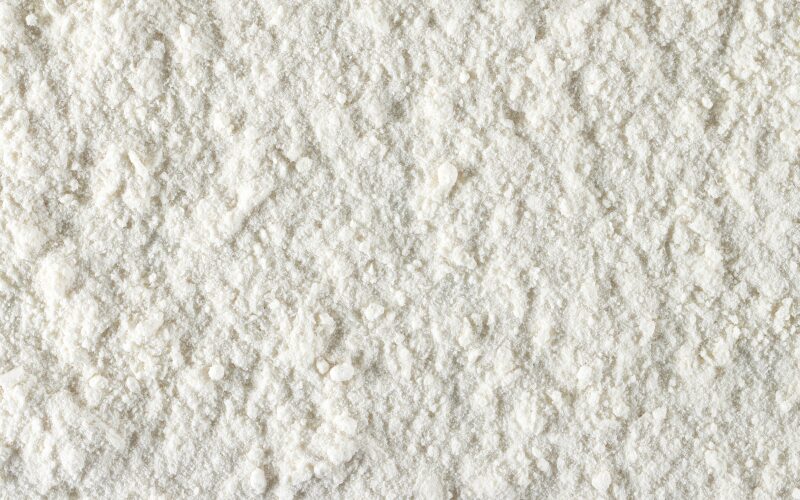
Coconut Flour
Produced after much of the oil has been removed from dried coconut meat, coconut flour offers a unique functional profile that supports specialty baking (specifically gluten-free baking) and a growing range of food applications.
-
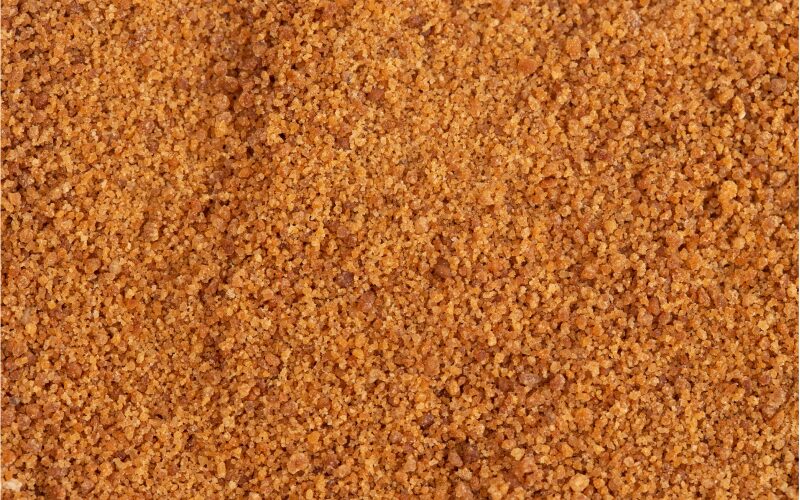
Coconut Sugar
Made from coconut blossom sap, coconut sugar is recognized for its light caramel notes, lower glycemic index, and versatility across baking and food manufacturing.
Why Coconut Endures
Over the past 100 years, food trends continue to change and evolve. Ingredients rise and fall in popularity, diets come and go.
Coconut has remained relevant because it continues to solve practical challenges across the food industry.
It brings functionality to formulations. It supports product innovation. It works across both traditional recipes and emerging applications. At the same time, it remains familiar to consumers, making it one of the few ingredients that successfully bridges heritage and innovation.
That combination has allowed coconut to remain an enduring part of food manufacturing rather than a passing trend.

The Bigger Picture
Coconut milk, flour, oil, flakes, and sugar are often discussed as individual ingredients.
In reality, they’re part of a much larger category.
They begin with the same crop, are grown in many of the same regions, and move through an interconnected supply chain before reaching manufacturers around the world. Looking at those connections changes the conversation. It shifts the focus beyond individual ingredients and toward the category as a whole.
That’s the perspective Marx Brothers has developed over more than a century of sourcing coconut ingredients around the world. It’s a perspective built on relationships at origin, firsthand knowledge of the category, and the belief that understanding an ingredient starts long before it reaches a specification sheet.
Understanding the ingredient is where better sourcing begins.